
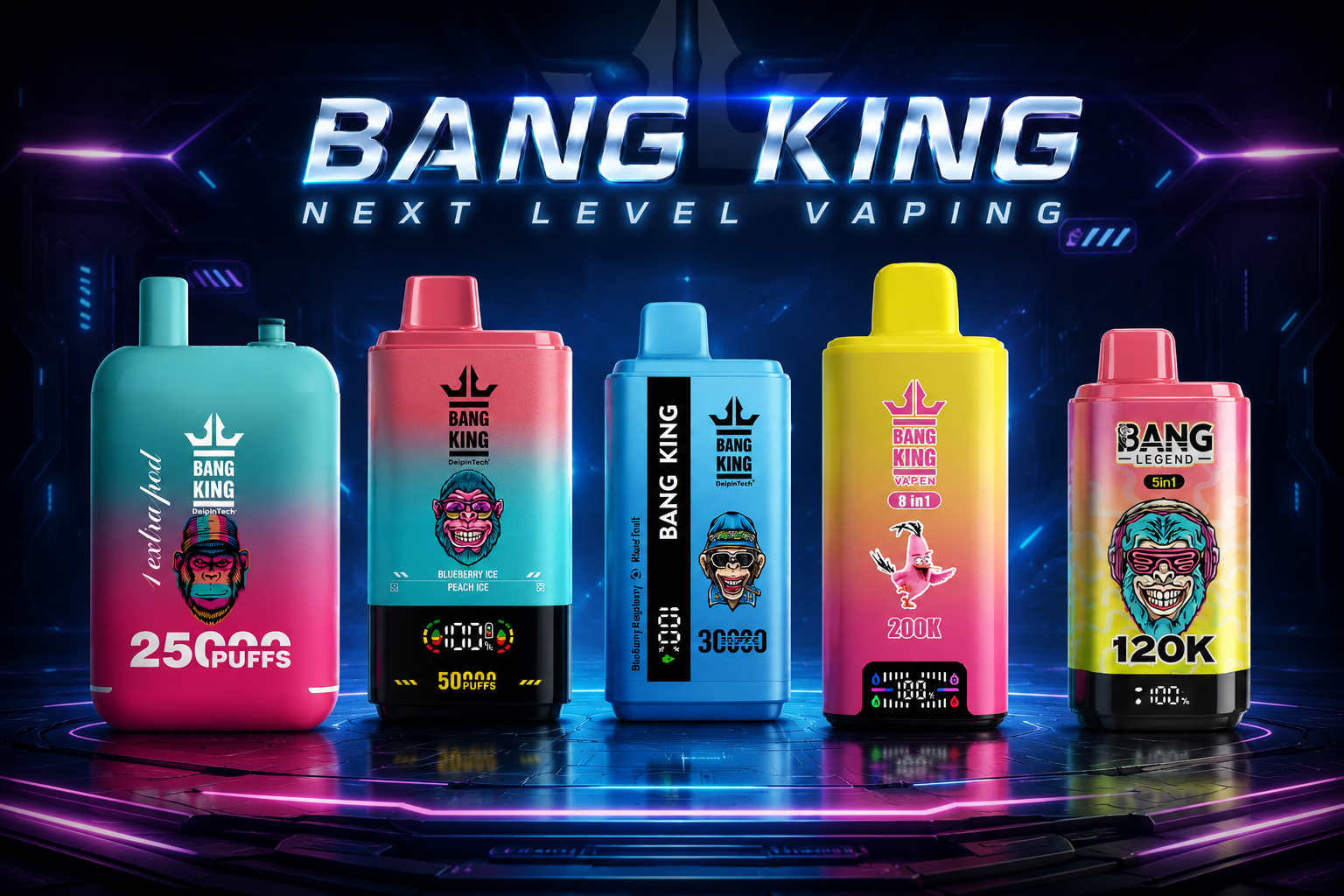
The Structural Evolution of High-Puff Disposables & European Consumer Pain Points
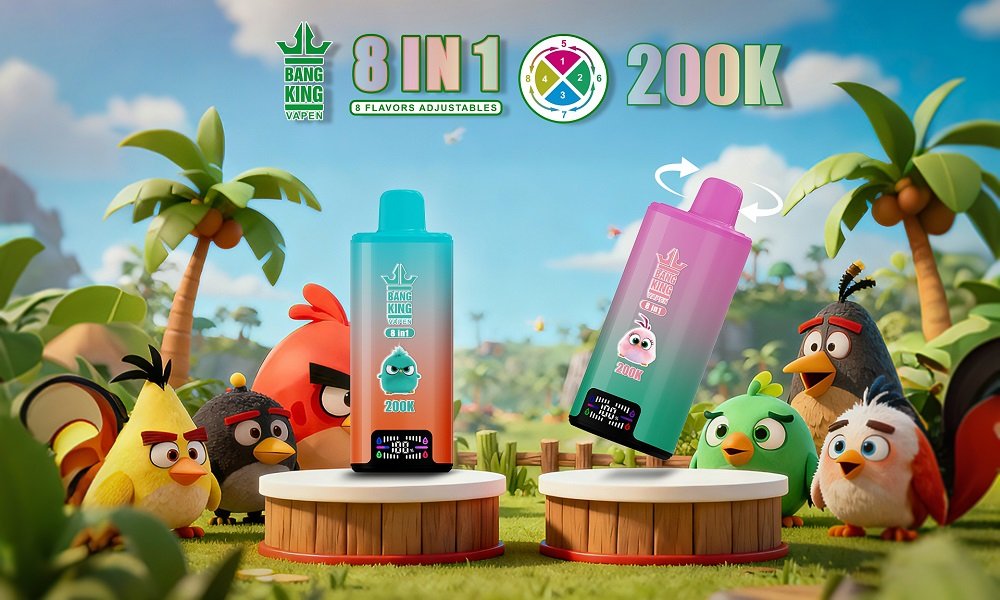
The global vaporization landscape is undergoing a significant architectural shift. In major European markets, particularly in Italy, Germany, France, and Spain, consumer preferences have moved away from low-capacity devices. Early disposable devices that offered a mere 600 puffs without recharging options are rapidly losing market share due to their short lifespans, higher long-term costs, and the environmental waste of discarded batteries. In their place, high-capacity disposable vaporizers featuring rechargeable cells and large e-liquid reservoirs have emerged as the preferred choice, balancing longevity with flavor consistency. This shift has led to the rise of specialized brands known for high puff counts, multi-chamber designs, and dual-mesh heating arrays, prompting closer technical analysis from both B2B distributors and retail consumers.
However, the rapid growth of the high-puff segment has highlighted several technical issues and information gaps. The most common consumer complaint is the difference between advertised puff counts and the actual lifespan of the device in real-world use. Many users approach claims of tens or hundreds of thousands of puffs with skepticism, as they lack an objective metric for evaluation. Additionally, maintaining flavor quality over a larger volume of e-liquid presents engineering challenges: preventing coil degradation, managing condensation buildup in the mouthpiece, and keeping nicotine delivery consistent from the first puff to the last.
To address these questions, this article provides a detailed analysis of high-puff hardware. We examine fluid dynamics, battery safety, and the regulatory frameworks governing major European markets, offering a clear guide for distributors and retail consumers alike.
Demystifying Puff Counts: The Mathematical Physics of E-Liquid-to-Puff Conversion
Discussions regarding whether disposable vape puff counts are inflated are common on vaping forums and social media. It is helpful to understand that advertised puff counts are determined using automated puffing machines in controlled laboratory settings, which operate under parameters that differ from real-world usage.
Laboratory Benchmarks vs. Real-World Inhalation Behavior
In standard manufacturer quality control tests, puffing machines are typically calibrated to the following strict parameters:
- A brief inhalation duration limited to 1.0 to 1.5 seconds per puff.
- A constant flow rate of 17.5 mL/s to keep the heating element at a stable operating temperature.
- A cooling interval of 15 to 30 seconds between puffs, allowing the wicking material to fully re-saturate with e-liquid via capillary action.
Real-world usage, however, is much more variable. An average adult vaper typically inhales for 2.5 to 4.0 seconds per puff and often takes consecutive draws in short succession. This continuous heating quickly raises the coil temperature beyond the optimal boiling point of the e-liquid carrier solvents, causing more liquid to vaporize per draw. Without adequate cooling time, the wicking cotton can experience localized drying, accelerating carbon buildup on the coil. Consequently, a user’s actual puff count in daily use typically ranges from 40% to 60% of the manufacturer’s lab-tested rating.
Calculating Realistic Lifespan from Reservoir Volume and Power Draw
The most reliable indicator of a disposable device’s actual lifespan is its pre-filled e-liquid capacity. For a standard 1.0$\Omega$ to 1.2$\Omega$ mesh coil operating at 11W to 13W, approximately 1.0 mL of premium nicotine salt e-liquid delivers 250 to 300 moderate, flavorful draws. Using this benchmark, we can estimate realistic puff counts with the following formula.
Applying this formula to several popular high-puff models illustrates the difference between nominal claims and actual capacity:
- Bang King 25000: Features a 46 mL e-liquid capacity, split between two separate 23 mL chambers:
- Estimated Real Puffs = 46 mL × 280 ≈ 12,880 Puffs
- Even under heavy use, this substantial e-liquid volume ensures over 11,000 deep draws, offering excellent longevity in its class.
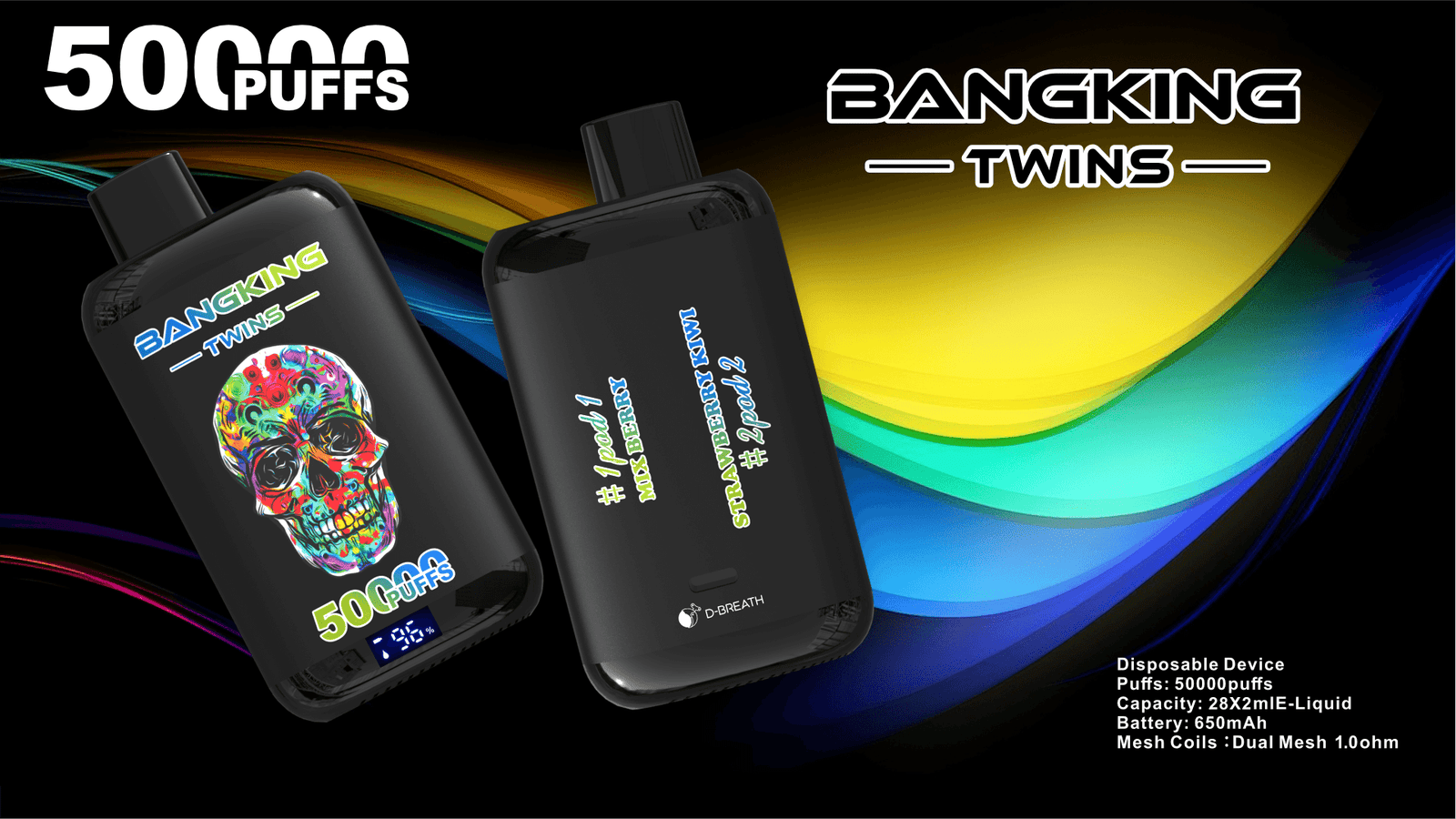
- Bang King 50000 (Double Flavor): Features a 36 mL e-liquid capacity:
- Estimated Real Puffs:36 mL × 280 ≈ 10,080 Puffs
- Bang Leader Stoll 300K: Advertises 300,000 puffs, with an internal e-liquid volume of 30 mL.
- Estimated Real Puffs = 30 mL × 280 ≈ 8,400 Puffs
- The 300,000 nominal puff rating is based on an ultra-short inhalation metric (0.5 seconds) and highly efficient micro-porous parallel coils used during lab testing. Understanding these e-liquid volumes helps B2B buyers and retail consumers make more informed purchasing decisions.
Hardware Specification Benchmarking Matrix of Major Bang Models
To assist distributors and consumers in comparing models, the following table summarizes key technical specifications based on manufacturer data sheets and hardware teardowns:
| Product Model | Advertised Puffs | Actual E-Liquid Capacity | Battery Capacity (mAh) | Heating Coil Tech | Nicotine Strength Options | Key Hardware Innovations | European Market Positioning |
| Bang King 25000 | 25,000 Puffs | 46 mL (23 mL * 2 separate pods) | 650 mAh | Dual Mesh (1.0$\Omega$) | 0% / 2% / 3% / 5% | Dual-tank physical rotation, bottom airflow control | B2C/B2B flagship, perfect for heavy vapers looking for rich, pure flavor |
| Bang King 30000 | 30,000 Puffs | High Capacity | Integrated Rechargeable | Single/Dual Mesh Switch | 2% (20 mg/mL) | Anti-dry-burn chipset, leak-proof mouthpiece design | Southern European favorite, excellent value |
| Bang King 50000 | 50,000 Puffs | 36 mL | 650 mAh | Dual Independent Mesh (1.2$\Omega$) | 0% / 2% / 5% | Dual airflow pathways, fully isolated flavor tanks | Vapers who enjoy switching between two distinct flavors |
| Bang Leader 18K | 18,000 Puffs | 8 mL | 650 mAh | Single Precision Mesh (1.1$\Omega$) | 0% / 2% / 3% / 5% | Compact design, LED battery indicator | Portable mid-range device for daily commuting |
| Bang Leader Stoll 300K | 300,000 Puffs | 30 mL | 650 mAh | Parallel Heating Element Matrix | 0% / 2% / 3% / 5% | 6-in-1 rotating flavor selector, full-color screen | Feature-rich device for tech-oriented wholesale buyers |
| Bang Leader 350K | 350,000 Puffs | 40 mL | 850 mAh | 3D Matrix Grid Heating Element | 0% / 2% / 3% / 5% | 4-in-1 flavor chamber, high-capacity polymer battery | Long-term travel use, minimizes replacement frequency |
| Bang Legend 110K | 110,000 Puffs | 30 mL (10 mL * 3 separate pods) | 850 mAh | Triple Mesh Array | 0% / 2% / 3% / 5% | 3-way isolated chamber selector, dynamic LED indicator | Premium users seeking isolated, unmixed flavor profiles |
Deep Architectural Teardown: Dual Mesh Alternating Tech & Multi-Chamber Fluid Dynamics
The ability of high-puff disposables to vaporize large volumes of e-liquid without flavor degradation relies on advancements in coil design and internal fluid dynamics.
Dual Mesh Coil Alternating Thermodynamics
In standard single-coil disposables, vaporizing more than 10 mL of e-liquid often leads to a buildup of residue. Sweeteners and flavor concentrates undergo thermal degradation when exposed to repeated high temperatures, forming a dark carbon layer on the heating element. This buildup alters the coil’s thermal resistance, which can lead to uneven heating, a burnt taste, and the release of unwanted thermal byproducts.
Devices like the Bang King 25000 address this by using dual mesh coils controlled by an integrated microchip. The onboard microcontroller alternates power between two separate mesh elements (Coil A and Coil B) based on draw count or usage intervals. This design provides several performance advantages:
- Reduced Thermal Stress: Alternating the workload cuts the thermal load on each individual coil in half, slowing down residue buildup and preserving the integrity of the wicking material.
- Optimized E-Liquid Saturation: While Coil A is heating, Coil B cools down. This cooling period allows e-liquid to fully saturate the wicking cotton around Coil B via capillary action. This prevents dry spots during rapid, consecutive draws and ensures consistent flavor delivery over thousands of puffs.
Multi-Chamber Parallel Fluid Dynamics
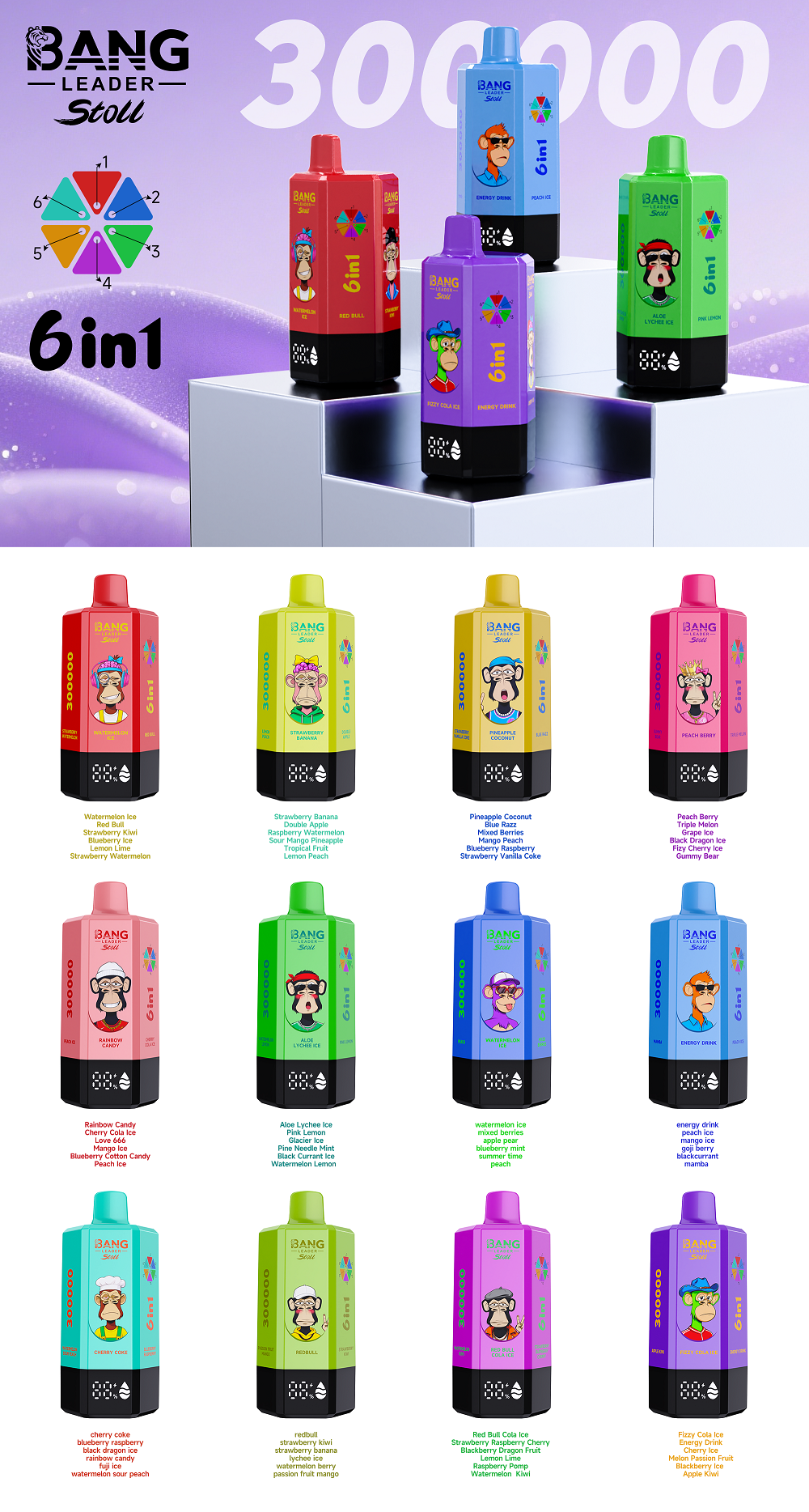
Multi-flavor models like the Bang Leader Stoll 300K (6-in-1) and Bang Legend 110K (3-in-1) use physically isolated, parallel multi-chamber structures.
In traditional single-chamber designs with large e-liquid capacities, pressure imbalances can develop as the liquid level drops. When a user takes a strong draw, this pressure difference can draw excess e-liquid into the airflow chimney, leading to spitback, condensation, or leaking.
A multi-chamber design solves this by dividing the e-liquid into separate, sealed pods. Users rotate the mouthpiece or adjust a bottom switch to align the airflow intake with a specific pod. This configuration provides two main benefits:
- Isolated Flavor Profiles: Because each chamber has its own dedicated coil and airflow path, there is no mixing of e-liquid vapors, ensuring a clean flavor profile when switching between chambers.
- Pressure Management: Non-active chambers remain sealed and are isolated from draw pressure, which reduces the likelihood of leaks caused by changes in atmospheric pressure during travel or shipping.
Battery Electrochemical Science: CC/CV Charging & Safety Safeguards
High-capacity disposables require rechargeable lithium-polymer (Li-Po) cells to operate. However, managing lithium chemistry requires reliable safety circuits and appropriate user habits to prevent battery degradation and ensure safe operation.
Lithium-Cobalt Oxide Cell Characteristics
High-puff disposables typically use lithium-cobalt oxide (LiCoO2) chemistry, with cell capacities ranging from 650 mAh to 850 mAh. This chemistry offers high energy density and a stable discharge curve (maintaining an operating voltage between 3.7V and 4.2V). This allows the device to deliver consistent vapor output even as the battery charge depletes.
During charging cycles, lithium ions move between the positive lithium-cobalt oxide electrode and the negative graphite electrode. If the charging current or voltage is too high, lithium ions can deposit on the surface of the negative electrode as metallic lithium, forming dendrites. These microscopic structures can puncture the battery separator, potentially causing an internal short circuit, overheating, or thermal runaway.
Type-C Charging Best Practices
To preserve battery health and ensure safety, users and wholesale distributors should follow standard charging guidelines:
- Avoid High-Output Chargers: Although these devices feature Type-C ports, their onboard Battery Management Systems (BMS) are designed for standard charging rates (typically 5V/0.5A to 5V/1A). Utilizing high-wattage USB-PD smartphone chargers (e.g., 65W or 100W) can overwhelm the device’s thermal limits if the BMS lacks robust overcurrent protection, causing heat buildup that degrades battery capacity.
- Use Standard USB Power Sources: It is best to charge these devices using standard 5V/1A wall adapters, computer USB ports, or low-voltage car chargers.
- Understand the CC/CV Charge Cycle: Charging typically takes 45 to 60 minutes. Once the LED indicator turns off or changes color, the battery has reached full charge. Users should unplug the device promptly and avoid leaving it connected to a charger overnight.
- Do Not Vape While Charging (Pass-Through Risk): Charging increases the battery’s internal temperature. Drawing power from the battery during a charge cycle puts additional thermal stress on the cell, increasing the risk of swelling or safety circuit failure.
European Market Regulatory Deep-Dive: TPD Article 20, Taxation, and Cross-Border Compliance
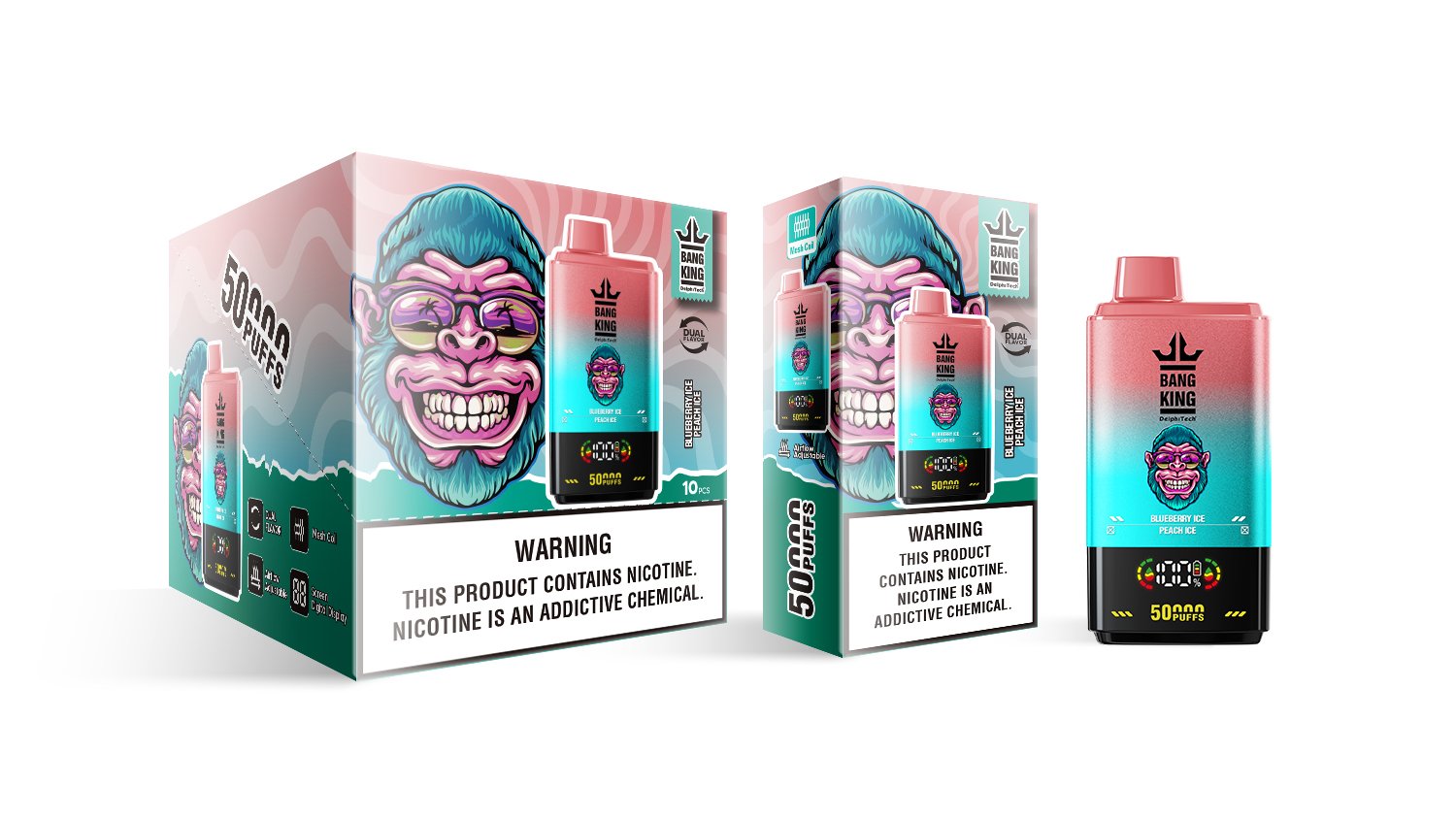
For platforms like drakxvape targeting European markets (Italy, Germany, France, and Spain), understanding local regulatory and tax frameworks is essential for compliant B2B and B2C operations.
Tobacco Products Directive (TPD) Article 20 Core Restrictions
The EU Tobacco Products Directive (TPD) sets strict rules for nicotine-containing electronic cigarettes sold within member states:
- The maximum capacity of any pre-filled nicotine cartridge, pod, or tank is limited to 2 mL.
- Nicotine concentrations in e-liquid are capped at 20 mg/mL (2%).
- Pre-packaged, nicotine-containing e-liquids are limited to a maximum bottle size of 10 mL.
- All products must carry prominent nicotine health warnings and undergo chemical and emissions testing via the EU Common Entry Gate (EU-CEG) portal six months prior to market release.
Sourcing Large-Capacity Devices Compliantly in Europe
Given the TPD’s 2 mL limit on nicotine-containing tanks, how do large-capacity devices operate in the European market?
- The Zero-Nicotine (0% Nicotine) Market The TPD’s 2 mL tank restriction applies specifically to products containing nicotine. In Germany, Italy, France, and Spain, zero-nicotine (0% Nic) e-liquids and pre-filled devices are exempt from this limit. Consequently, large-capacity, high-puff disposable vapes with 0% nicotine are fully compliant with EU regulations and can be legally imported, distributed, and sold online.
- Modular and Split-Pod Closed Systems To comply with TPD regulations while offering extended use, some brands utilize modular designs that split larger e-liquid volumes into separate, compliant 2 mL pods, or package them alongside TPD-compliant 10 mL bottles for manual filling.
- Regional Regulatory Shifts & Excise Taxes The regulatory landscape in Europe is changing. In Italy, the State Customs and Monopolies Agency (ADM) regulates the distribution of all inhalation products, meaning unregistered large-capacity nicotine devices face seizure and significant fines. In France, while the proposed e-liquid tax was omitted from the 2026 finance bill, online sales channels face closer scrutiny, and discussions regarding a potential ban on disposable plastics continue. Germany continues to levy tobacco taxes on all e-liquids, regardless of nicotine content, requiring tax stamps on all compliant products. In the United Kingdom, a ban on disposable vapes is scheduled to take effect, alongside a new Vaping Products Duty (VPD) starting October 1, 2026, which will require fiscal security stamps with QR codes on all compliant products.
For European buyers on vozolstore, focusing on 0% nicotine versions of high-puff devices is the most straightforward path to full regulatory compliance. B2B importers must also ensure all products have proper customs clearance and tax documentation for their specific jurisdictions.
Counterfeits vs. Authentic GMP Manufacturing: Health Hazards & Supply Chain Due Diligence
As high-puff disposables grow in popularity, counterfeit (“clone”) products have entered the market. These unauthorized replicas present significant safety risks and can damage a distributor’s reputation.
Health and Safety Risks of Counterfeit Devices
Counterfeit manufacturers cut costs by using substandard materials and skipping quality control, resulting in several hazards:
- Substandard Battery Cells: Clones often utilize reconditioned or b-grade lithium cells that lack thermal release valves. Under high draw rates or when connected to fast chargers, these batteries are prone to swelling, venting, or thermal runaway.
- Banned Chemical Additives: Counterfeit e-liquids are unregulated and may contain harmful levels of contaminants or banned flavoring compounds like diacetyl (linked to respiratory issues) or vitamin E acetate (associated with lung injury).
- Inconsistent Coil Resistance and Overheating: Poorly manufactured coils can have irregular resistance levels. If a coil runs too hot, it can cause the thermal degradation of propylene glycol (PG) and vegetable glycerin (VG), producing harmful aldehydes like formaldehyde at levels far exceeding safety standards.
Verifying Authenticity
To protect consumers and secure supply chains, buyers should look for several key anti-counterfeiting features:
- Holographic Security Labels: Authentic products feature packaging with multi-layered 3D holographic labels. Scratching off the protective coating reveals a unique serial number that can be verified on the manufacturer’s official website. These verification servers typically track inquiry counts, flagging codes that have been checked multiple times.
- Manufacturing Standards and Build Quality: Genuine devices feature precise tooling, clean seams, and high-quality finishes. Loose air valves, misaligned Type-C ports, and e-liquid residue inside the packaging are common indicators of a counterfeit device.
- Authorized Supply Chains: drakxvape.com sources its inventory directly from certified manufacturers in Shenzhen’s Bao’an District, the global hub of vaporization technology. These facilities operate under cleanroom standards and subject their products to vacuum leak testing, thermal cycling, and aerosol analysis to meet international standards.
FAQ About Bang King Disposabel Vapes
Q1: How long will a 25000 puff Bang King vape actually last in daily use?
It depends on your inhalation habits. For a moderate user taking around 250 to 300 draws a day (the equivalent of a standard pack of traditional cigarettes), the Bang King 25000 (with its 46 mL e-liquid capacity) will typically last between 35 to 45 days. For heavy users who take longer draws or vape more frequently, it will generally last between 15 to 20 days.
Q2: Why do high-puff rechargeable disposables require frequent charging, and how many puffs can I get per charge?
To keep the devices portable and lightweight, manufacturers equip them with smaller batteries (typically 650 mAh to 850 mAh) rather than heavy, high-capacity cells. A 650 mAh battery generally supports 500 to 600 puffs before requiring a recharge. While the e-liquid supply can last for several weeks, you will need to recharge the battery every 1 to 2 days.
Q3: What is “Double Mesh Coil” technology, and what are its benefits over single-coil designs?
Dual mesh coil technology uses an integrated microchip to switch between or run two separate mesh heating elements. By alternating which coil heats up, the thermal load on each element is cut in half. This slows down carbon buildup and preserves the wicking material, preventing burnt tastes over extended use. It also provides a larger heating surface area, allowing for consistent vapor and flavor delivery at lower temperatures.
Q4: What nicotine strength options are available for these high-puff vapes, and how should I choose?
Bang devices are typically available in 0% (0mg), 2% (20mg), 3% (30mg), and 5% (50mg) nicotine strengths.
- 0% (0mg): Best for users who want to enjoy flavor and vapor without nicotine.
- 2% (20mg): The maximum nicotine concentration permitted under EU TPD regulations, suitable for most transitioning smokers.
- 5% (50mg): A high-strength option that delivers a strong throat hit, intended for markets outside the EU where permitted.
Q5: Why is my disposable vape blinking when plugged in, and why is it not producing vapor?
Blinking during charging usually indicates one of three protection mechanisms is active:
- Overvoltage Protection: The device detects a high-current fast charger and has disabled the circuit for safety. Switch to a standard 5V/1A USB port.
- Short Circuit Protection: E-liquid condensation or physical damage may have bridged the internal contacts, causing the chip to lock the device for safety.
- Deep Discharge State: If left unused for a long period, the battery may have entered deep sleep. The LED may blink when first plugged in, and it may take 15 minutes of slow charging before the battery registers normally.
Q6: Are large-capacity Bang vapes legal to purchase and use in Italy and Germany under TPD rules?
Under EU TPD rules, pre-filled devices containing nicotine are limited to a 2 mL tank capacity. However, zero-nicotine (0% Nicotine) versions are exempt from this limit. Consequently, 0% nicotine high-puff vapes are fully legal to import, distribute, and sell online in Germany, Italy, and other EU member states.
Q7: How will the 2027 EU Battery Regulation affect the high-puff disposable vape market?
The EU Battery Regulation mandates that by February 2027, all portable electronic devices sold in the EU must feature user-replaceable batteries. Since most high-puff disposables feature sealed, soldered batteries, traditional non-replaceable disposables will be phased out of the EU market. This will shift the industry toward pre-filled pod systems with replaceable battery bases.
Q8: Why does the flavor intensity seem to decline after using a high-puff device for a few weeks?
This is caused by two main factors:
- Coil Resit-Build: Over weeks of use, sweeteners in the e-liquid can form microscopic carbon deposits on the coil mesh, slightly reducing heating efficiency and flavor output.
- Olfactory Fatigue: The human sense of smell naturally adapts to constant exposure to a specific flavor profile over time. Alternating between different flavors or using a mint flavor can help reset your palate.
Q9: How can I prevent my large-capacity disposable vape from leaking?
- Avoid Extreme Temperatures: Do not leave the device in direct sunlight or in a hot car, as heat lowers e-liquid viscosity and causes air inside the chamber to expand, potentially pushing liquid out of the mouthpiece.
- Handle with Care: Avoid dropping the device, which can misalign internal seals and disrupt the pressure balance.
- Use Steady Draws: Draw slowly and steadily. Hard, rapid draws can pull unvaporized liquid up into the chimney.
Q10: How accurate are the e-liquid indicator screens on smart disposable vapes?
The percentage displayed on the screen is an estimate calculated by the device’s microchip based on cumulative inhalation time. The chip estimates consumption against a pre-programmed average draw rate. If you take longer, deeper draws than the factory baseline, you may consume e-liquid faster than the screen indicates, leading to slight variations between the display and the remaining liquid.
Q11: What regulations should online buyers in France and Spain be aware of?
In France, online sales of nicotine-containing vaping products face strict local age-verification requirements, and there are ongoing discussions regarding restrictions on disposable plastics. In Spain, e-commerce imports of nicotine products are subject to customs inspections and must comply with labeling standards. Buying 0% nicotine versions helps minimize potential customs issues.
Q12: Why do many high-puff vape flavors include “Ice” (e.g., Blue Razz Ice)?
“Ice” indicates the addition of cooling agents like WS-23. Because high-puff devices are used over several weeks, sweet fruit flavors can become fatiguing to the palate. The addition of a cooling element provides a clean finish and helps reduce sensory fatigue over the lifespan of the device.
Q13: Does the Bang Leader Stoll 350K require manual refilling or coil changes?
No. The Bang Leader Stoll 350K is a closed, pre-filled disposable system. It does not feature a refill port or user-replaceable coils. Once the pre-filled e-liquid is depleted or the coil reaches the end of its lifespan, the device should be disposed of in accordance with local battery recycling guidelines.
Q14: Is a slight whistling sound normal when taking a draw from my vape?
Yes, this is normal air turbulence. High-puff vapes feature adjustable airflow valves at the base. When you draw, air passes through these narrow intakes at high velocity, creating a whistling or rushing sound. You can adjust the airflow slider to customize your draw resistance and alter the sound.
Q15: Can I bring a large-capacity rechargeable disposable vape on an airplane?
Yes, but under strict guidelines:
- Pack in Carry-On Only: Rechargeable vapes contain lithium-polymer batteries and must be kept in your carry-on luggage for cabin pressure safety; they are strictly prohibited in checked baggage.
- Prevent Leaks: Cabin pressure changes can cause e-liquid to expand and leak. Keep the airflow valve closed and store the device upright inside a sealed plastic bag.
Q16: How do I verify if my Bang vape is an authentic product?
- Scan the Security Code: Find the security label on the box, scratch off the coating, and scan the QR code to verify it on the official manufacturer’s website. If the site warns that the code has already been scanned multiple times, it may be a duplicate or counterfeit.
- Inspect Build Quality: Authentic devices feature clean seams, clear printing, and functional airflow sliders. Loose parts or e-liquid residue inside the packaging often point to counterfeit manufacturing.
Q17: What is the liquid that occasionally accumulates in the mouthpiece, and is it harmful?
This liquid is typically condensation rather than raw e-liquid. As warm vapor travels up the chimney, it cools and condenses against the walls of the mouthpiece. If you occasionally get a drop on your lips, spit it out and rinse your mouth with water. To clear it, wrap a paper towel around the mouthpiece and gently shake the device downward to clear any trapped moisture.
Q18: What is the safest way for European B2B buyers to purchase wholesale high-puff vapes?
Wholesale buyers should source products directly from verified distributors with established relationships with certified manufacturers in Shenzhen. Ensure your supplier provides full documentation, including Material Safety Data Sheets (MSDS) and UN38.3 battery transport safety certifications, to guarantee authentic, compliant inventory.

 English
  German
  Spanish
  Italian
  French
  Dutch
Dutch  Japanese
  Polish
  Swedish
  Greek
Greek  Slovak
  Hungarian